Food truck social media is one of the most underused tools in the mobile food business. That’s surprising, because the data is hard to argue with. About 74% of customers say they discovered a food truck through social media. Not a sign. Not word of mouth. A post. If you’re running a food truck and you’re not consistently showing up online, you’re leaving real money on the table every single day you’re open.
Here’s the thing: you don’t need a social media team or a marketing degree. You need five types of posts, the right platforms for each one, and the discipline to keep showing up. That last part is what most food truck owners skip, and it’s the whole game.
Why Does Food Truck Social Media Work Differently Than Other Businesses?
Most businesses use social media to build brand awareness over time. Food trucks use it to tell people where to show up right now. That’s a completely different job, and it changes how you should think about every post you make.
Your audience isn’t just browsing. They’re hungry, they’re local, and they’re deciding in the next 20 minutes where they’re going to eat. A well-timed post can put you directly in that decision. A missed post means someone else wins. About 68% of food truck owners use social media as a regular part of their marketing, according to recent industry data, and the trucks that post consistently are seeing real results. Food trucks that actively engage on social media see a customer increase of around 10 to 15% on average. That’s not a vanity metric. That’s actual foot traffic.
What Type of Post Builds Your Audience the Fastest?
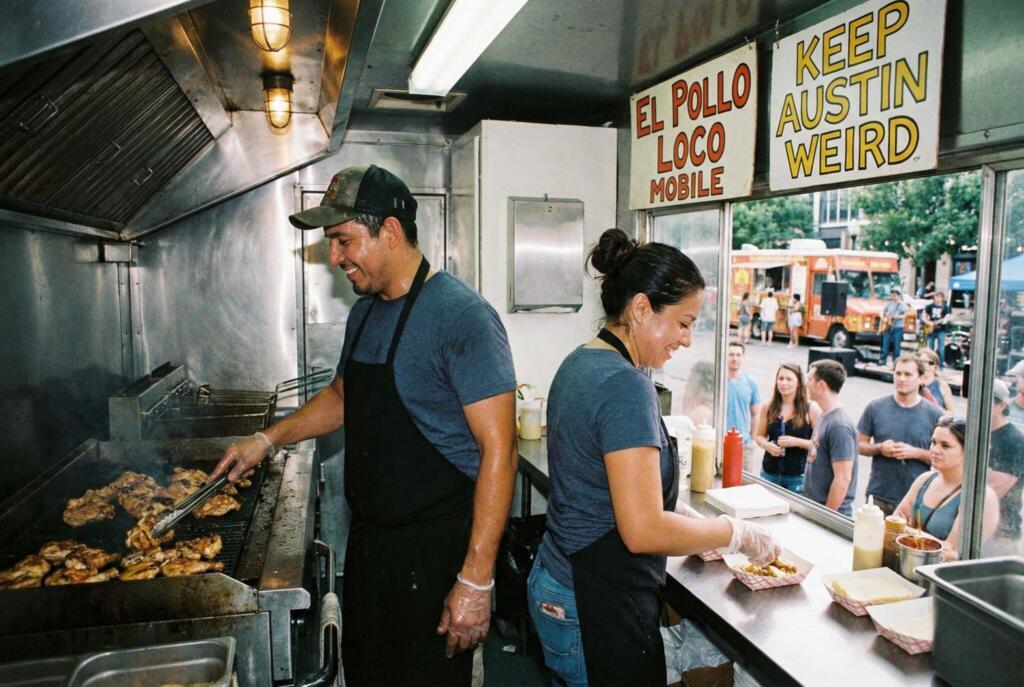
Behind-the-scenes content wins this one, and TikTok is the platform to run it on.
People are genuinely curious about what goes into the food they eat. Show them. Film yourself prepping the ingredients you’re proud of. Show the chaos of a lunch rush from behind the counter. Let people see the care that goes into every plate before it gets handed out the window. This kind of content makes your truck feel real and personal, and that connection is worth more than any ad you could run.
TikTok is the right home for this content because short video is the native language of the platform. You don’t need professional equipment. Your phone is enough. What matters is that you’re authentic and consistent. Post three to four times a week and make sure every video ends with your location or your next stop. The call to action matters. “We’re parked on Main Street until 2 PM” is not just a caption, it’s a reason to move.
TikTok’s audience skews younger, and that maps directly to the food truck customer base. About 60% of food truck spending comes from people under 44, with the largest chunk being adults between 25 and 44. These people are on TikTok. Show up there.
How Do You Keep Loyal Customers Coming Back Week After Week?
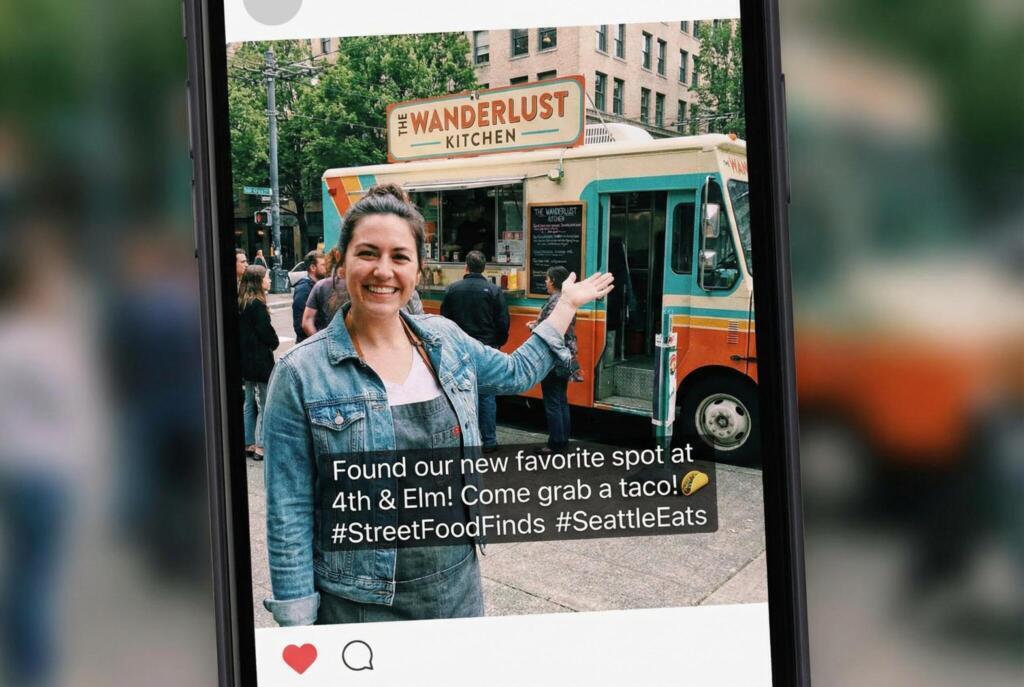
Real-time location updates are the most practical thing you can post, and Facebook is the best place to do it.
Nearly 87% of food truck operators use Facebook to promote their business, making it the most widely used platform in the industry. That adoption rate exists for a reason. Facebook’s event features and community groups are built for exactly this kind of hyperlocal, time-sensitive communication. Post your daily location every morning. Use the location tag. Drop it in relevant local Facebook groups when you have permission to do so. Tell people when you’re setting up, how long you’ll be there, and what’s on the menu that day.
This sounds simple. It is. But simple and consistent is what builds a following. When people know they can check your Facebook page to find out where you are, they start checking it. That habit becomes foot traffic. Don’t overthink it. Post where you are, how long you’ll be there, and what’s good today. Do that every single day you’re open.
What Kind of Content Stops Someone Mid-Scroll?
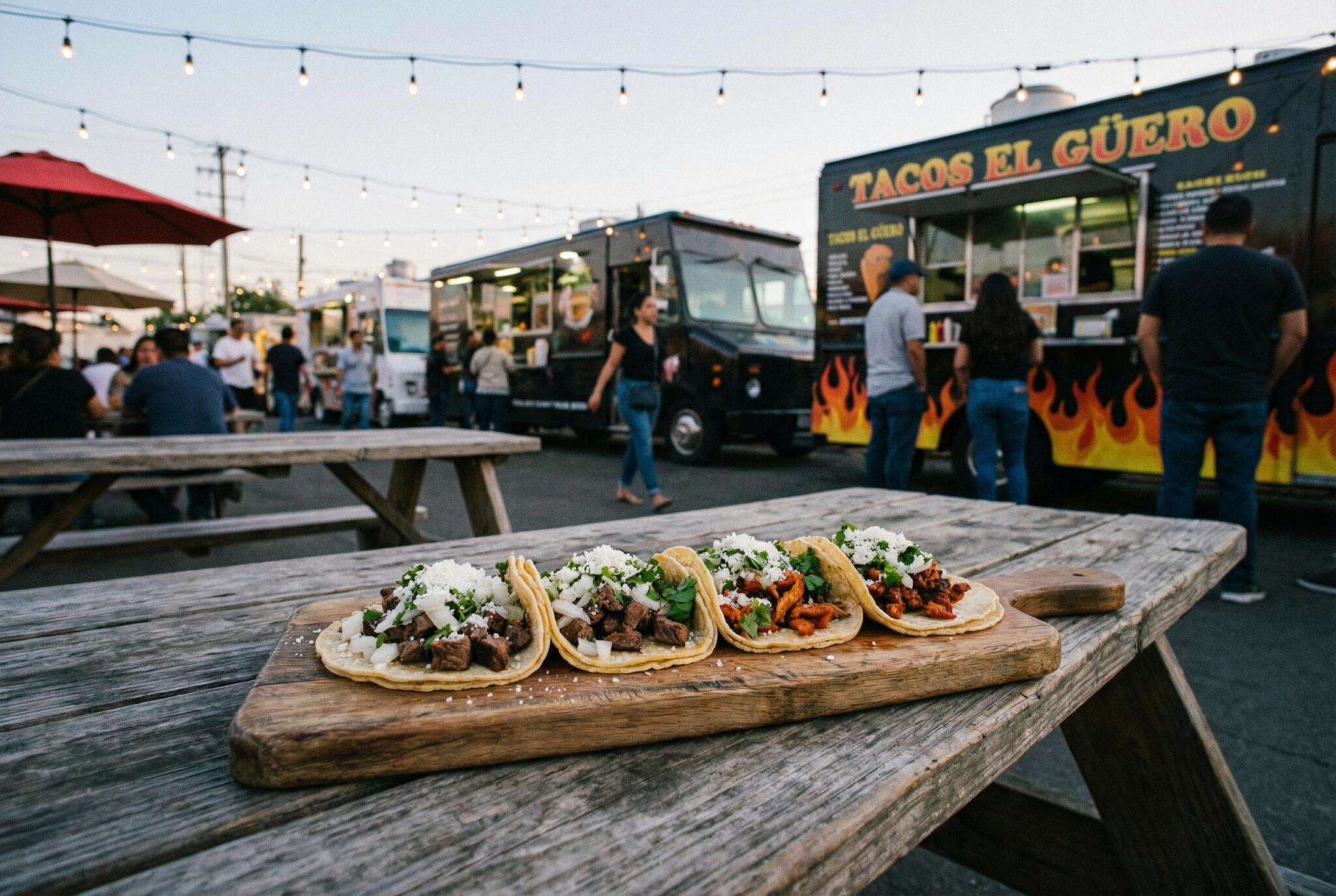
Food photography stops the scroll, and Instagram is where it lives.
You don’t need a professional photographer. You need good light, a clean background, and a phone. Natural light from an open window or shooting outdoors during the golden hour before sunset will make almost any dish look incredible. Take three to five photos of your best items each week and spread them across your Instagram feed and Stories.
Instagram’s audience is a bit younger than Facebook’s, running roughly 18 to 34, and they respond to visuals the way no other platform does. A great photo of your signature dish can generate saves, shares, and follows from people who have never heard of you before. Pair every food photo with your location and a short caption that tells people something about the dish. “Made from scratch this morning. We’re on 5th Avenue until 3 PM” does more work than a long description ever could.
Also use Instagram Stories for quick, casual updates throughout your day. Stories disappear after 24 hours, which makes them perfect for real-time content that feels urgent rather than permanent. A quick clip of the lunch line forming or a story poll asking “pulled pork or brisket today?” keeps people engaged even when they’re not actively thinking about lunch.
How Do You Turn Your Customers Into Your Best Marketers?
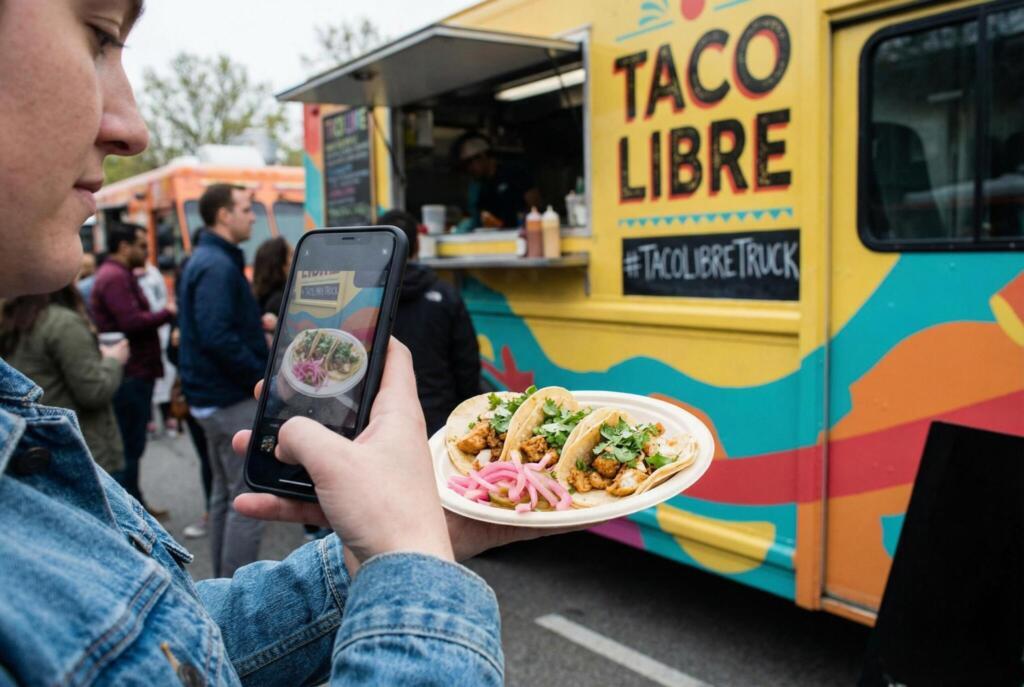
You repost them. User-generated content, or photos and videos your customers take and share, is the most credible content you can put on your page. It’s one thing for you to tell people your food is great. It’s another thing entirely when a real person shows up in your feed saying exactly that with a photo to back it up.
Facebook and Instagram both work well for this, but the strategy is the same either way. Ask your customers to tag you when they post. Create a specific hashtag for your truck and put it on your truck, your packaging, and your social profiles. When someone posts a great photo of your food, share it. Thank them by name. That single act of acknowledgment will make them post again, and it signals to everyone watching that your food is worth talking about.
Young consumers, especially those under 35, trust organic customer content significantly more than branded advertising. That means a single repost of a customer’s photo can do more for your credibility than a polished ad. Make collecting and sharing that content a weekly habit.
When Should You Use Polls and Questions to Engage Your Audience?
Use them on Facebook once or twice a week to keep your audience warm between location updates and food photos.
Polls are easy to create and easy to respond to. Ask your followers which new menu item they want to see next. Ask whether they prefer your weekend location over your weekday one. Ask if they want a seasonal special back. People love to weigh in, and every comment or vote tells the algorithm that your page is active and worth showing to more people.
This type of content does not directly drive immediate foot traffic, but it does something just as important. It keeps your page from going silent between your big posts. A page that only posts when it has something to sell feels transactional. A page that asks questions, responds to comments, and acts like a real business run by real people builds the kind of community that shows up consistently.
Facebook is the right platform for this because its algorithm rewards conversation. Posts with high comment activity get shown to more people. A simple poll asking “cilantro or no cilantro?” can reach hundreds of people in your local area who have never seen your page before just because a few followers engaged with it.
What Kind of Content Should You Avoid Posting on Your Food Truck Social Media?
This one does not get talked about enough, and it trips up a lot of food truck owners who are otherwise doing everything right.
Reposting generic food memes is the big one. You have seen these accounts. Every other post is a meme about loving pizza or hating Mondays, and somewhere buried in between is an actual update about the truck. Those filler posts dilute your feed and train your audience to scroll past you. Every post you make is either building appetite and anticipation or wasting the attention you worked to earn. Memes and recycled content do the latter.
Complaining publicly is another one to avoid entirely. Had a bad day at a location? Frustrated with a permit process? Keep it off your social pages. Your feed is not a venting outlet, it is a storefront. People decide whether to visit you based on what they see there. Negativity, even when it feels justified, signals instability to potential customers and makes your existing fans uncomfortable.
Inconsistent or low quality food photos will hurt you more than not posting at all. One blurry shot of a dish under bad fluorescent lighting can undo the trust you built with three great photos. If the photo does not make the food look good, do not post it. Natural light, a clean surface, and a steady hand are the only equipment you actually need to get a usable shot.
Posting without location information is a mistake that is easy to fix and surprisingly common. Every single post you put out should answer the question “where can I find you right now?” If someone sees your food and wants to come, and they cannot figure out where you are in five seconds, they move on. Your caption does not have to be long. “We are at Oak Street and 3rd until 4 PM today” is enough. Make it a non-negotiable part of every post.
Finally, going dark for days or weeks at a time is the most damaging thing you can do to your food truck social media presence. Inconsistent posting tells the algorithm you are not active, which means fewer people see your content when you do show up. More importantly, it tells your customers the same thing. If someone checks your page to find out where you are and sees the last post was 11 days ago, they are not coming to find you. They are going somewhere else. Showing up every day, even with something small, beats going silent every single time.
So Does Consistency Really Drive Foot Traffic, or Is That Just Something People Say?
It is not just something people say. It is the whole strategy.
Think about what food truck social media actually does when you use it consistently. Your location updates tell hungry locals exactly where to find you right now. Your food photography reminds the people who have already visited why they liked you and shows new people what they are missing. Your behind-the-scenes content makes your truck feel personal and trustworthy. Your customer reposts prove that real people genuinely enjoy your food. And your polls and questions keep your community warm and engaged even on days when you are not parked anywhere near them. None of these post types work in isolation. They work together, over time, because you keep showing up. The trucks that figure this out stop wondering where their next customer is coming from. They already know.